UPDATE
August 29.2025
3 Minutes Read

Unlock Healthier Nails: A 3-Step Routine for Stronger Growth

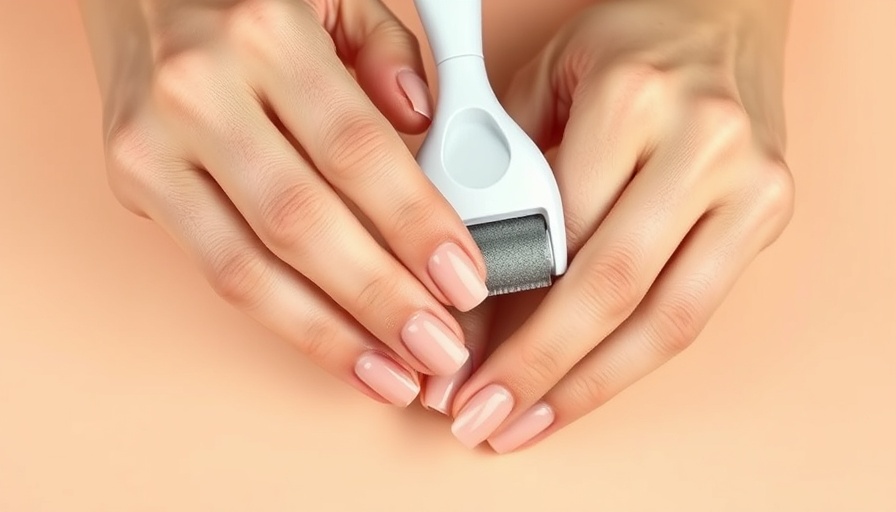
Close-up of hands performing 3-step routine for stronger natural nails.

Nail Care for Diabetics: Why It Matters

Nail health is often an overlooked aspect of personal care, especially for those managing conditions like diabetes, high blood pressure, and high cholesterol. Proper nail care can be crucial because individuals with diabetes face heightened risks of nail infections and issues due to circulatory problems and skin conditions. By implementing a consistent nail care routine, not only can you enhance your overall appearance, but you can also protect against potential complications that could arise from neglecting your nails.

The Essential 3-Step Routine for Stronger Nails

Achieving longer, stronger natural nails involves a simple yet effective routine that integrates easily into your daily life. Here are three key strategies that can pave the way to healthier nails:

1. Daily Use of Cuticle Oil: Start with quality cuticle oil applied at least once a day. Keeping cuticles moisturized prevents dryness and cracking, which can lead to painful infections. To remind yourself, place the oil prominently. This seemingly small act can make a significant difference; healthy cuticles are the foundation for beautiful nails.

2. Consistent Supplementation: Next, consider enriching your diet with supplements that promote nail health. Biotin and collagen are particularly beneficial, as they contribute to keratin production—the key protein that makes up nails. Research indicates that regular intake of these supplements can lead to noticeable improvements in nail strength and overall health.

3. Proper Nutrition: Finally, don’t underestimate the role of a balanced diet. Incorporating nutrient-dense foods rich in vitamins and minerals not only supports general wellness but also fortifies your nails from within. Focus on lean proteins, fruits, and vegetables that are packed with essential nutrients. If you're following specific dietary patterns, like the keto diet or intermittent fasting, ensure that you still meet your nutritional needs which can ultimately reflect in the health of your nails.

Understanding the Link Between Diet and Nail Health

It’s important to acknowledge how dietary habits can significantly impact nail strength and growth. For example, individuals adhering to a keto diet might frequently consume fats and proteins, but they must also prioritize their intake of vitamins and minerals that support nails.

Food sources like spinach, salmon, and sweet potatoes provide necessary nutrients that help build resilient nails. Moreover, managing blood sugar levels through proper diet can also improve circulation, which is crucial for healthy hair and nails.

Common Misconceptions About Nail Care

Many people believe that nail care is only about aesthetic appeal. However, the health implications are real and important, especially for those with chronic illnesses such as diabetes. Regular nail care routines can prevent serious infections that could lead to complications. Another common myth is that expensive products yield better results; however, often, a consistent routine with quality, affordable products is just as effective.

Actionable Insights for Nail Care

To effectively incorporate these insights into your routine, set a daily reminder for your cuticle oil application and make nutrition a priority. Consider establishing a checklist for your nail care that also includes evaluating your diet as per your health needs, especially if you manage conditions like diabetes or high cholesterol. Keeping your nails healthy doesn’t have to be complicated; simple, proactive steps can lead to significant long-term benefits.

The Importance of Mindset in Nail Care

Finally, cultivating a mindset that prioritizes self-care can have a profound impact. When you take time for nail care, it’s a moment to practice mindfulness, reflecting on your health holistically. This small action can enhance your body image and positively influence your approach to other health-related routines. Remember, investing in yourself is investing in your overall health and wellbeing.

In conclusion, whether it’s your physical health, nails, or overall well-being that you’re aiming to improve, it’s essential to acknowledge the interconnectedness of care routines. Embrace these nail care practices and witness the transformation over time. Treat your nails as a vital part of your health regimen, and they’ll reward you with strength and beauty.

To take your nail care— and overall health—to the next level, begin by establishing daily routines that resonate with your lifestyle. Make nail care a joyful, fulfilling practice on your health journey.

Trending Health

Write A Comment

*
*
Please complete the captcha to submit your comment.
Related Posts All Posts
04.29.2026

Harness Affirmations and Exercise to Manage Anxiety Effectively

Update Unlocking the Power of Affirmations: A Neuroscientific Approach to Anxiety Management For many, anxiety feels like an unwelcome shadow that looms over daily life, affecting mood, resilience, and overall well-being. However, research reveals that positive affirmations, when harnessed effectively, can be instrumental in managing anxiety. Leading neuroscientist Dr. Wendy Suzuki emphasizes the potential of affirmations, stating that "positive spoken words can improve mood and help mitigate feelings of anxiety." This is not just another motivational cliché; it's grounded in science. The Science Behind Affirmations and Anxiety Neuroscience is beginning to unravel the mechanisms through which affirmations influence our emotional state. Studies show that affirmations can light up parts of the brain linked to reward processing and self-related thinking. This correlation between self-affirmations and emotional resilience indicates that our thoughts can indeed shape our feelings. Furthermore, modest reductions in anxiety-related symptoms may occur when individuals engage in affirmations—demonstrating their practical value. Exercise: The Perfect Partner for Affirmations Combining affirmations with physical activity provides an enhanced mood-boosting effect. Dr. Suzuki notes that exercise naturally improves mood and cognitive functions. This dual approach of affirming oneself while moving the body can exponentially increase cognitive benefits. For instance, engaging in exercises like the IntenSati Method—where one combines physical movements with affirmations—has shown promising results in bolstering emotional health and reducing anxiety. Empirical Evidence Supporting Affirmations Beyond anecdotal success, there’s research backing the effectiveness of affirmation practices. An article from Psychowellness Center examines neuroplasticity exercises for anxiety relief—highlighting that targeted practices can reshape thought patterns and promote mental resilience. Regularly engaging in activities that affirm self-worth can help rewire the brain, allowing for healthier emotional responses to stressors. Crafting Effective Affirmations Creating personal and effective affirmative statements is crucial for success. Start by identifying personal triggers of anxiety—what thoughts or situations consistently prompt feelings of distress? Next, formulate affirmations that are affirming and present-focused. For example, instead of saying "I will not worry," consider affirming, "I am safe, secure, and capable of handling challenges." Make them specific, believable, and emotionally resonant to you. Consistently revisiting these affirmations can create a positive internal dialogue, nurturing a buffer against anxiety. Real-Life Applications: Integrating Affirmations into Your Routine Incorporating affirmations into daily practices can yield remarkable effects. Consider setting aside time each morning or evening for affirmations. Visual cues, such as sticky notes on mirrors or reminders on your phone, can serve to solidify these positive statements into your subconscious. Activities like aerobic exercise or even casual walks can be times to vocalize these affirmations, creating an uplifting routine that fosters wellness. Increasing Emotional Resilience through Affirmations Affirmations do more than alleviate anxiety; they build emotional resilience. By repeatedly affirming one's worth and capabilities, individuals condition their minds to respond healthier to stress. This process not only helps to stave off anxiety but also promotes a more optimistic, empowered mindset. Programs integrating affirmations with cognitive behavioral therapy (CBT) showcase the remarkable outcomes possible when these tools are used collectively. A Community Approach to Affirmations Lastly, don't underestimate the power of community in reinforcing affirmations. Engaging with supportive friends, family, or community groups can provide encouragement to maintain these practices. Sharing affirmations in group settings creates a collective affirmation experience, nurturing connection while reinforcing individual resilience. As you navigate the challenges of anxiety, embrace the combined power of physical movement and positive affirmations. Each word carries potential; pair that power with resilience, and you may find a path to a brighter, calmer state of mind. If you're looking to further explore practical methods for integrating affirmations into your routine, consider diving into research or connecting with professionals specializing in mental well-being.

04.29.2026

Is Your Body Asking for a Break from Alcohol? Discover the Signs!

Update Understanding the Signs: Your Body and Alcohol Many of us enjoy a social drink or two to unwind after a long day. However, our bodies can send subtle but significant signals that suggest it's time to reassess our relationship with alcohol—especially for those managing chronic health conditions like diabetes, high cholesterol, or high blood pressure. If you’ve experienced unusual fatigue, skin issues, or changes in mood, it might be a sign that your body is requesting a break from alcohol. 1. The Fatigue Factor: When Tiredness Goes Beyond a Long Day One of the first indicators that your body may need a timeout from alcohol is persistent fatigue. Contrary to the myth that a drink can help us relax, alcohol disrupts our sleep cycle, particularly hindering the restorative REM sleep. For individuals managing metabolic conditions, this lack of quality sleep can exacerbate symptoms like fatigue and overall malaise. By taking a break from alcoholic beverages, many individuals have reported increased energy levels and better quality sleep. 2. Mood Swings: The Hidden Emotional Cost of Drinking If you find yourself swinging from highs to lows more frequently, alcohol might be playing a larger role than you realize. As a depressant, alcohol can amplify feelings of depression and anxiety, creating a vicious cycle where drinking leads to emotional turmoil, impacting overall mental health. For those experiencing pre-diabetes or managing blood sugar levels, addressing mood changes can be crucial to maintaining a stable emotional and physiological state. Recognizing these changes is the first step toward healthier emotional regulation. 3. Physical Signs from Head to Toe Alcohol doesn't just affect how we feel internally; it manifests physically as well. Skin issues, such as breakouts or a dull complexion, can indicate that your body is struggling to process alcohol and still function optimally. Moreover, excessive drinking is linked to complications that can worsen existing health issues, such as inflammatory responses which may exacerbate diabetes symptoms. Prioritizing your health means paying attention to these physical signs and making necessary adjustments. 4. The Tolerance Trap: Assessing Your Drinking Habits Have you noticed that it takes more drinks to feel the same effects you once experienced? This increased tolerance can be a warning sign signaling potential dependency. Regularly increasing alcohol intake to achieve the same effect can lead to a host of health complications, including metabolic syndrome and high blood pressure. Reassessing your drinking habits may not only help lower tolerance but could also prevent the progression of health issues specific to your needs. 5. The Risks of Overexertion: Why Balance is Key With the holidays here or summer parties on the horizon, managing alcohol consumption can feel challenging. For individuals dealing with metabolic health issues, monitoring alcohol intake is crucial. Consider adopting practices like intermittent fasting or a low-carb diet, which can complement a moderate approach to drinking. These lifestyle adjustments not only promote well-being but also provide a structure that encourages moderation and respect for your body’s signals. 6. Making the Decision: Actionable Steps to Take Recognizing the signs is just the start. Here are some actionable steps to consider when contemplating a break from alcohol: Create Alcohol-Free Days: Designate certain days of the week as alcohol-free to help reset your body’s tolerance and establish a healthier relationship with drinking. Seek Support: Talk openly with friends or family about your decision to take a break. Their encouragement can bolster your resolve. Explore Alternatives: If social situations trigger drinking, think about alternative activities, like engaging in a new hobby or attending a different social event that doesn’t center around alcohol. Conclusion: Listen to Your Body Ultimately, the body speaks in subtle ways, and it’s up to us to listen. If you’re experiencing a combination of these signs, it may be time to reevaluate your drinking habits, especially if you’re managing chronic health conditions. Remember, a break from alcohol doesn’t just help your body reset; it can improve your overall quality of life. Ready to make a change? If you’re considering a break from alcohol, why not start today? Your body—and your health—will thank you for it!

04.28.2026

Unlocking the Link: How This Common Deficiency Raises Dementia Risk

Update Understanding The Significant Link Between Anemia and Dementia When we experience fatigue or forgetfulness, it’s easy to dismiss these signs as a normal part of aging. However, recent studies reveal that these might be symptoms of something more significant, particularly concerning blood health. For adults over 60, a common yet frequently overlooked condition—anemia—may increase the risk of developing dementia by 66%. This startling statistic emphasizes the importance of understanding our bodies beyond superficial symptoms. The Study: Long-Term Effects of Hemoglobin Levels on Brain Health A comprehensive study involving over 2,200 adults tracked participants for approximately nine years, monitoring hemoglobin levels and brain health indicators. Low hemoglobin, which suggests anemia, was associated not only with an increased risk of dementia but also with biological markers indicating neuronal damage and inflammation. This dual connection provides valuable insight into how ongoing health issues might compromise cognitive function long before dementia becomes apparent. What's Behind the Numbers? The Role of Oxygen At the heart of this issue is oxygen—a vital resource for the brain, responsible for overall cognitive function. Hemoglobin transports oxygen throughout the body, ensuring that organs, especially the brain, receive what they need to operate effectively. When hemoglobin levels drop, the body experiences a chronic state of stress, which can lead to inflammation and oxidative damage. These stressors could compound age-related changes, exacerbating cognitive decline. Gender Differences in Anemia's Impact Interestingly, the risk associated with anemia appears to be more pronounced in men. This raises critical questions about the role of gender in how anemia affects cognitive health and what individualized treatment options might be necessary. Understanding these differences can lead to more tailored health interventions, enhancing prevention and treatment strategies. Addressing Anemia: Actionable Insights for Healthier Living Given that anemia is prevalent, especially among older adults, it is vital to prioritize diagnosis and treatment. Simple nutritional changes or supplements can dramatically improve hemoglobin levels, potentially protecting cognitive health. For individuals dealing with metabolic health issues related to diabetes or high blood pressure, maintaining robust blood health is even more significant. Regular check-ups and understanding the importance of iron-rich foods play a vital role in preventing anemia, particularly for those already navigating other health challenges. Empowering Change: What You Can Do Today The key takeaway from this research is empowerment—understanding your health statistics can guide you toward preventive measures. Whether you're considering dietary changes like incorporating more iron-rich foods or discussing symptoms with a healthcare provider, being proactive about your health can make a difference. Consider practices such as intermittent fasting or adopting a keto diet, known to impact overall health positively, which could also contribute indirectly to better blood health. Conclusion: The Importance of Staying Informed While research continues to shed light on the connection between anemia and dementia, the take-home message is clear: staying informed about your health can lead to better long-term outcomes. Anemia is treatable, and by addressing it with the help of healthcare professionals, individuals can help safeguard their brain health as they age. Prioritize your well-being today—start the conversation with your doctor about check-ups and potential dietary changes that could improve your health.

Terms of Service

Privacy Policy

Core Modal Title

Sorry, no results found

You Might Find These Articles Interesting

T
Please Check Your Email
We Will Be Following Up Shortly
*
*
*