UPDATE
April 10.2025
3 Minutes Read

Can You Eat Bananas on a Keto Diet? Here's What You Need to Know

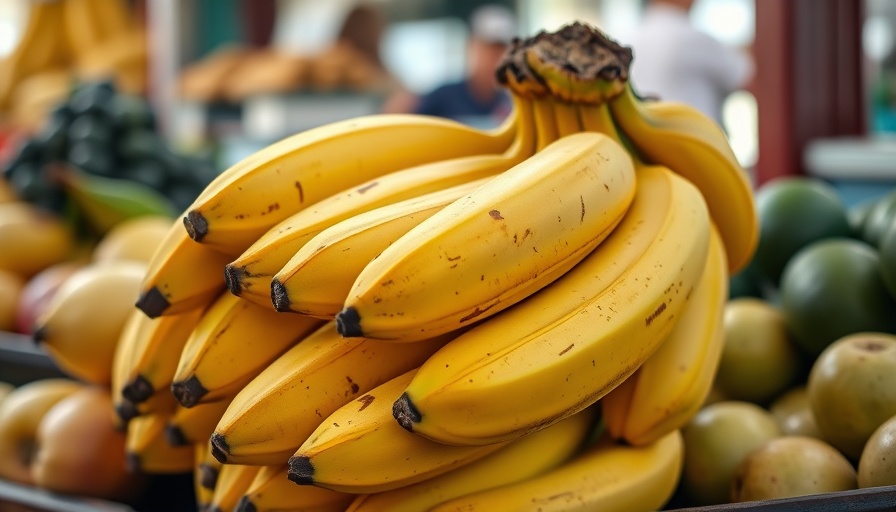
Fresh ripe bananas displayed at a market. Are Bananas Keto?

Are Bananas a Good Fit for Your Keto Diet?

When considering whether bananas fit into a ketogenic diet, the conversation often leads to confusion. Most people question, 'Are bananas keto-friendly?' due to the fruit's high sugar and carbohydrate content. Yet, before dismissing this nutritious fruit entirely, let's delve deeper into how bananas can play a role in your low-carb lifestyle.

Understanding Nutritional Value

Bananas are often deemed a no-go for keto enthusiasts, but their nutritional profile deserves a closer look. A medium banana typically has around 27 grams of total carbohydrates, which could put a dent in your daily limit if you're aiming for 20-50 grams. However, it's essential to balance these carbs with the benefits they provide. Notably, bananas are rich in potassium, which is vital for heart and muscular function. Potassium is a powerhouse mineral, contributing almost 10% of your daily requirements in just one banana.

How Many Bananas Can You Enjoy?

The key to enjoying a banana while sticking to a keto diet is moderation and planning. If you're considering incorporating this fruit, be mindful of the total carbs you consume throughout the day. For instance, if your daily carb target is in the lower range of 20 grams, you may want to limit banana intake to perhaps half or even a third of a medium-sized banana. Pairing it with a protein-rich food (like a handful of nuts) might help minimize the impact on blood sugar.

Bananas and Their Fiber Richness

Another reason not to overlook bananas is their fiber content, which ranges from 2 to 4 grams per banana. Fiber plays a significant role in digestion and can be beneficial when managing blood sugar levels. Interestingly, due to the natural sugars in bananas being paired with fiber, they can cause a lower spike in blood sugar compared to refined sugars, making them a thoughtful choice for many with high blood sugar concerns.

Keto-Friendly Substitutes for Bananas

If you find that bananas simply don't fit into your daily carb allowance, there are various keto-friendly substitutes that you can consider. Foods like avocados or berries—especially strawberries and raspberries—provide similar textures and flavors without as many carbohydrates.

Tips for Incorporating Bananas into Your Diet

When incorporating bananas or any fruit into a keto lifestyle, consider these tips:

  • Mix with Fats: Enjoy a half banana smeared with almond butter or mixed into a rich coconut smoothie.
  • Portion Control: Instead of a whole banana, opt for smaller portions, especially if snacking.
  • Timing is Key: Have your banana post-workout to replenish your energy while keeping within your carb count.

Real-Life Experiences: Voices from the Community

Many who follow keto report finding a way to enjoy bananas without compromising their goals. One individual shared how including a small piece of banana in their morning smoothie provided them with sustained energy for the day ahead without pushing their carb limits too far. Hearing pragmatic and relatable stories like these helps demystify the restriction surrounding certain foods.

Frequently Asked Questions

Can I eat bananas while following intermittent fasting?
Yes! If you include them during your eating window in moderation, it can fit nicely into your routine.

What if I’m managing high cholesterol?
Bananas can be part of a heart-healthy diet, given their potassium content and fibrous nature which aids in overall cardiac health.

The Bottom Line: A Balanced Approach

Determining whether bananas can fit into your keto diet ultimately comes down to balance and the careful management of your overall carb intake. Practical approaches, such as moderation and timing, can allow bananas to be a part of your diet without derailing your goals.

So, the next time you take a peek at that bunch of bananas, remember their potential benefits alongside the carbohydrate content. It's all about finding your balance and choosing a keto-friendly lifestyle that works for you!

Ready to expand your dietary horizons? Consider exploring more about how fruits can fit into your dietary goals. Embrace health and wellness by mixing up your meals and discovering what works best for you!

Keto Diet

Write A Comment

*
*
Please complete the captcha to submit your comment.
Related Posts All Posts
04.10.2025

Are Tomatoes Keto-Friendly? Discover the Truth and Delicious Recipes

Update Are Tomatoes Keto? Understanding the Basics Many people embarking on a ketogenic diet encounter the question, "Are tomatoes keto?" This inquiry is understandable, considering tomatoes are a staple in countless savory dishes. The good news is that tomatoes can indeed fit into a ketogenic diet, but the specifics depend heavily on the type of tomato and its serving size. Nutritional Breakdown of Tomatoes First things first, let's dissect this adaptable fruit (yes, tomatoes are classified as a fruit). A medium-sized tomato contains around 4.8 grams of carbohydrates and about 1.5 grams of fiber. This results in approximately 3.3 grams of net carbs per medium tomato, a reasonable number for those who are monitoring their carb intake on a keto diet. Moreover, tomatoes are low in protein (approximately 1 gram) and fats (about 0.2 grams), providing a good base to pair with higher-fat foods like cheese or avocado to boost nutritional value. These little fruits also come packed with vitamins and minerals, including vitamin C, vitamin A, and potassium, all of which contribute to overall health. The Role of Lycopene Among the nutrients found in tomatoes, lycopene is particularly noteworthy. This antioxidant has been linked to a variety of health benefits, including reduced risk of heart disease, certain cancers, and protective effects against UV damage to the skin. Incorporating tomatoes into your diet not only supports a keto lifestyle but may also enhance your overall health profile. How Smart Substitutions Can Elevate Your Keto Diet For those looking to minimize tomato consumption for any reason, there are fantastic substitutes available. Options like bell peppers and zucchini can provide similar textures and flavors in recipes without the carbs associated with tomatoes. Additionally, when it comes to sauces, you can replace tomato-based sauces with homemade alternatives using roasted red peppers and herbs, retaining a rich flavor without the carbs. Favorite Keto Recipes Featuring Tomatoes If you decide to embrace tomatoes in your keto meal plan, consider these delicious recipes that showcase their versatility: Caprese Salad: Fresh tomatoes, mozzarella cheese, and basil drizzled with a balsamic glaze—diet friendly and nutritious. Zucchini Noodles with Tomato Sauce: A low-carb twist on pasta, topped with a homemade tomato and garlic sauce. Stuffed Tomatoes: Hollowed-out tomatoes filled with a mixture of ground meat and cheese, baked to perfection. What to Keep in Mind Despite their benefits, tomatoes should be consumed mindfully within a keto diet. Their sugar content, though relatively low, may impact blood sugar levels if eaten in excess. Individuals managing conditions like diabetes must balance their intake appropriately. Ultimately, it's about moderation and paying attention to how tomatoes fit into your personal carbohydrate limits. Remember to check your blood sugar levels regularly if diabetes or high blood sugar is a concern. Common Misconceptions About Tomatoes and the Keto Diet There exists a myth that all fruits are off-limits when on a keto diet. However, tomatoes provide a unique case of being both a fruit and a beloved ingredient in many savory dishes. The key is understanding how to incorporate them appropriately while maintaining your daily carb limits. Your Next Steps: Embrace Healthy Choices! As you navigate your keto journey, consider keeping tomatoes in your diet for their flavor, nutrients, and health benefits. Their versatility allows for plenty of creative cooking ideas! If you're eager to explore more on tomatoes or discover recipes that fit your dietary needs, don’t hesitate to dive deeper into this vibrant fruit. Now’s your chance to make the keto diet delicious and nutritious. For those interested in optimizing their health, understanding the balance of food choices—like incorporating tomatoes thoughtfully—can make a significant difference!

04.10.2025

Is Soy Sauce Keto? Exploring the Keto Diet with Soy Sauce Alternatives

Update The Keto Dilemma: Is Soy Sauce a Hidden Pitfall? When it comes to the keto diet, the question of soy sauce often leaves many scratching their heads, especially those grappling with the complexities of health issues like diabetes, high cholesterol, and hypertension. While soy sauce's savory flavor adds zest to dishes, is it truly a keto-friendly condiment? The answer isn't as straightforward as one might think, and understanding the role of soy sauce in a low-carb lifestyle is crucial for anyone aiming to manage their health effectively. Unpacking the Carbs in Soy Sauce Let's dive into the nutritional value of soy sauce. For every tablespoon of this umami-rich seasoning, you’re looking at roughly 0.7 grams of carbs. This makes it a relatively safe addition to a low-carb menu, particularly when used in moderation. For individuals managing conditions like diabetes or high blood sugar levels, staying acutely aware of carb intake is vital. Soy sauce can enhance flavor without dramatically spiking carbohydrate levels, which is beneficial for those conscious about their macros. The Sodium Factor: Good or Bad? Sodium plays a peculiar role in a keto diet. While excessive intake can lead to health concerns like hypertension, sodium also helps counteract the potential electrolytic imbalance caused by the diet’s demand for low carbohydrates. The caveat? Soy sauce does pack a salty punch! For those keeping tabs on their sodium due to concerns like high blood pressure, low-sodium alternatives exist. But before you make the switch, remember that a splash of traditional soy sauce may not derail your keto journey as long as you track your portions carefully. Health Implications of Excessive Soy Sauce Consumption While soy sauce can be enjoyed in moderation, overconsuming it — especially in larger quantities such as more than four tablespoons a day — can lead to negative health impacts. High levels of sodium may contribute to increased risks of heart disease and kidney problems, particularly for those already contending with conditions such as high cholesterol. Moreover, many soy sauces contain additives and preservatives that, if consumed regularly at high levels, could pose further health risks. It’s advisable for health-conscious individuals to weigh these factors carefully and consider reverting to clean or organic options that forgo such additives. Phytoestrogens: What You Need to Know Phytoestrogens present in soy sauce can mimic estrogen, a factor potentially complicating health issues for individuals sensitive to hormonal shifts. For someone navigating challenges like erectile dysfunction or those managing conditions linked to hormone levels, exploring soy sauce alternatives such as coconut aminos may offer a better, cleaner choice for taste and health. The Gluten Dilemma for Strict Keto Followers It’s also essential to recognize that traditional soy sauce typically contains wheat, presenting challenges for individuals with celiac disease or gluten sensitivity. If strict adherence to the keto diet is your goal, reaching for gluten-free soy sauce or alternatives will not only keep you aligned with your dietary aspirations but also safeguard your digestive health. Creative Keto-Friendly Alternatives If the idea of cutting out soy sauce feels daunting, don't fret! There are delicious alternatives that will still keep your meals exciting. Coconut aminos, for instance, brings a sweet and savory flavor without the carbs and gluten, making it an excellent substitute. Fish sauce is another option, offering a robust umami flavor while remaining keto-approved. Don’t shy away from experimenting in the kitchen! Explore these alternatives as a means to maintain culinary enjoyment while taking care of your body. Tips on Including Soy Sauce in Your Keto Journey Incorporating soy sauce into your keto lifestyle doesn't have to be complex. Here are a few practical tips: Measure serving sizes: Using a measuring spoon can help you track your intake. Mix it up: Combine soy sauce with healthier oils or vinegars to create a balanced dressing. Limit to two tablespoons: This helps keep carb levels in check while still enjoying the flavor. As with any food choice, the key lies in moderation, especially for individuals living with underlying health conditions. Conclusion: Balance in the Keto Landscape To sum it up, soy sauce does have a place within the keto diet, but keeping it in moderation is crucial for maintaining health balance, particularly for those with pre-existing health conditions. Knowing when and how to use it allows you to savor delicious meals while respecting your dietary guidelines. Feel empowered to explore this beloved condiment safely, and remember, health is about balance! For those embarking on the keto journey or looking for enriching dietary tips to support managing diseases like diabetes and high cholesterol, exploring substitutions can lead to a joyful eating experience.

04.10.2025

Cauliflower on a Keto Diet: Your Ultimate Guide to This Nutritional Powerhouse

Update Is Cauliflower Keto? Unpacking Its Nutritional BenefitsWhen embarking on a ketogenic diet, finding suitable substitutes for high-carb staples can be challenging. Enter cauliflower—a veggie that has taken the keto world by storm. With its impressive nutritional profile, it's little wonder cauliflower has earned its stripes as a must-have in the low-carb community.With only 25 calories and 5 grams of net carbs per 100 grams, cauliflower stands out as a low-carb alternative to traditional carbohydrate-rich foods. This cruciferous vegetable embodies versatility, transforming into everything from rice substitutes to creamy sauces, making it an indispensable element of a ketogenic diet.Exploring the Nutritional Details of CauliflowerSo, is cauliflower actually keto-friendly? Let’s break down its nutritional components:Calories: 25 per 100gNet Carbs: 5 grams per 100gFat: 0.3 grams per 100gProtein: 1.9 grams per 100gThanks to its low calorie and carbohydrate content, cauliflower is fantastic for individuals managing health conditions like diabetes, high cholesterol, or those simply looking to maintain a healthier lifestyle.How Much Cauliflower Can You Eat on a Keto Diet?The Harvard School of Public Health recommends keeping daily carbohydrate intake under 50 grams to maintain ketosis. This means you can enjoy a whopping 900 grams of cauliflower each day without exceeding carb limits, provided you manage other carbohydrate sources. That’s a lot of cauliflower!Creative Ways to Cook CauliflowerCooking cauliflower not only heightens its flavor but also enhances its nutritional properties. Whether you choose to roast, steam, or sauté it, each method presents unique benefits. Roasting brings out the natural sweetness and can be seasoned to your liking. Alternatively, steaming preserves its nutrients and is perfect for adding to a delicious lunch bowl.Health Benefits of CauliflowerBesides being low in calories and carbs, cauliflower is brimming with health benefits. It's an excellent source of vitamin C, crucial for immune function and skin health. Additionally, cauliflower is rich in choline—a nutrient pivotal for brain development and health. Incorporating it into meals can support digestion due to its high dietary fiber content, essential for maintaining digestive health, especially beneficial for those who might be grappling with conditions like high cholesterol or diabetes.Exciting Keto Cauliflower RecipesLet’s dive into some tantalizing recipes that showcase this versatile vegetable. Here are three favorites:Cauliflower Rice: A perfect rice substitute that can pair with your favorite proteins and vegetables.Buffalo Cauliflower Bites: Toss cauliflower florets in buffalo sauce and roast until crispy for a spicy snack or appetizer.Cauliflower Pizza Crust: Combine ground cauliflower with cheese and egg for a low-carb spin on pizza night.Substitutes for CauliflowerIf you're feeling adventurous or simply want to switch things up, consider these excellent alternatives:Broccoli: Offers a rich micronutrient profile and can also serve as a rice substitute.Kohlrabi: A unique, crunchy veggie that shares many similarities with cauliflower's texture and flavor.Brussels Sprouts: With their dense structure, they can be shredded and used in various dishes.Conclusion: Embracing Cauliflower on Your Keto JourneyCauliflower is not just a filler; it's a staple rich in nutrition and culinary potential. Whether you're managing diabetes, high cholesterol, or simply opting for a healthier lifestyle, this vegetable can play a transformative role in your meals. Start incorporating cauliflower into your diet today and discover a world of delicious possibilities!FAQs About Cauliflower and KetoIs cauliflower keto-friendly? Absolutely! With minimal carbs, it's a great addition to any keto meal.Can I eat too much cauliflower? While it's low in carbs, moderation is key, especially if you're sensitive to fiber.What are the benefits of eating cauliflower? It supports immune health, aids digestion, and is low in calories, making it great for weight management.

Terms of Service

Privacy Policy

Core Modal Title

Sorry, no results found

You Might Find These Articles Interesting

T
Please Check Your Email
We Will Be Following Up Shortly
*
*
*