
UPDATE
April 10.2025
3 Minutes Read

Can Lifestyle Changes Help You Get Rid of Diabetes for Good?

Excited woman with glucose meter and flying fruits.

Understanding Diabetes and Its Impact

Diabetes has emerged as one of the predominant health challenges of our time, affecting millions globally. Defined by elevated blood sugar levels, diabetes can be classified primarily into two types: Type 1 and Type 2. Type 1 diabetes, an autoimmune disorder, requires lifelong insulin therapy due to the body’s inability to produce insulin. In contrast, Type 2 diabetes, which is far more common, often develops from lifestyle factors such as poor diet, lack of physical activity, and obesity. This brings us to the pressing question: Can we effectively manage, or even reverse, Type 2 diabetes through lifestyle changes and other health interventions?

The Promising Concept of Diabetes Remission

Though there is currently no definitive cure for diabetes, a state known as remission can be achieved, particularly for Type 2 diabetes. Remission occurs when individuals maintain normal blood sugar levels without relying on diabetes medications. This state can significantly enhance quality of life and reduce the risk of complications associated with diabetes.

Key Factors Influencing Remission

Several factors play a crucial role in the potential for achieving diabetes remission. Key among these are:

  • Weight Management: Studies show that weight loss, particularly the reduction of visceral or belly fat, can greatly improve insulin sensitivity and blood sugar control.
  • Dietary Choices: Eating a balanced diet rich in fruits, vegetables, lean proteins, and whole grains while avoiding processed foods and added sugars is critical. Such dietary modifications can lead to substantial improvements in blood sugar levels.
  • Physical Activity: Regular exercise, whether through walking, cycling, or strength training, has been scientifically linked to lower blood sugar levels and improved health overall.

Medical Interventions: Supportive but Not Sole Solutions

While lifestyle changes form the foundation of diabetes management, some individuals may require medical support. This might include medications aimed at controlling blood sugar levels. Additionally, for individuals struggling with severe obesity and uncontrolled diabetes, bariatric surgery may be a viable option, leading to significant weight loss and even diabetes improvement.

Navigating Challenges: The Reality of Diabetes Management

Despite the potential for remission, it’s crucial to recognize that diabetes management is not a one-size-fits-all solution. Individual variability means that diabetes strategies often differ widely in effectiveness from person to person. Maintaining long-term lifestyle changes can also present ongoing challenges, necessitating robust support systems and motivation to stick with new habits.

The Role of Intermittent Fasting and the Keto Diet

Recently, dietary strategies such as Intermittent Fasting and the Keto Diet have gained traction in diabetes management. Intermittent Fasting promotes a cycle of eating and fasting, which can help in weight loss and improving insulin sensitivity. On the other hand, the Keto Diet, which is high in fats and low in carbohydrates, may assist some individuals in stabilizing blood sugar levels effectively.

Real-Life Success Stories: Inspiration and Hope

Personal stories of individuals who have successfully managed or reversed their Type 2 diabetes can be invaluable. These narratives often share common threads: a commitment to healthier choices, the importance of having a support system, and a willingness to adapt and learn. By connecting with these stories, others may find the motivation to embark on their own journey toward improved health.

Future Outlook: Making Informed Decisions

As research continues, the future of diabetes management looks promising. With ongoing studies examining new treatments, dietary interventions, and lifestyle habits, we can anticipate new strategies that could empower individuals to achieve better health outcomes. Understanding the possibilities of remission encourages everyone to explore lifestyle changes that foster a healthier future.

While the journey with diabetes may present challenges, knowing that remission is an attainable goal can inspire individuals to take proactive steps today. Consistent monitoring, maintaining a balanced diet, engaging in regular exercise, and working closely with healthcare providers are all essential components of the path to better health.

Your Path to Management: Take Action Today!

If you feel inspired by the potential for remission, consider taking immediate actions. Start by setting small, achievable health goals, whether that’s incorporating a new exercise routine or experimenting with healthier meal options. Every step you take towards improving your lifestyle can bring you closer to taking control of your diabetes.
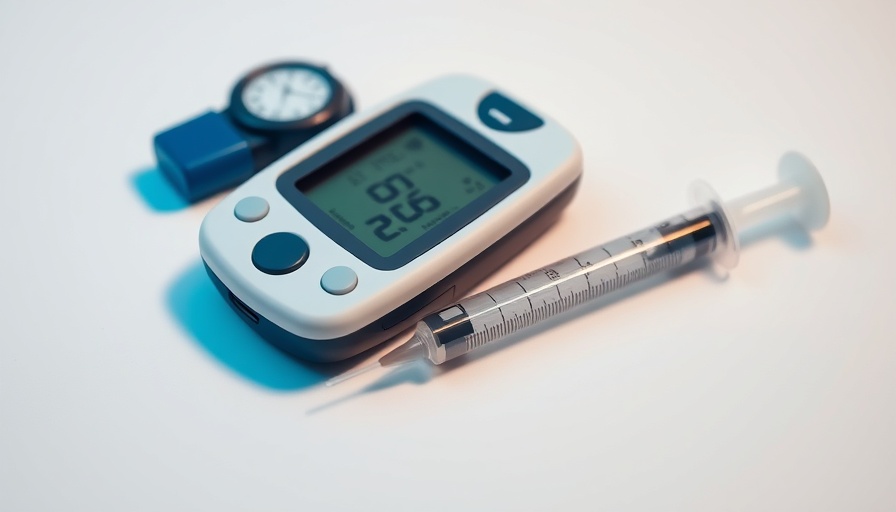

High Blood Sugar

Write A Comment

*
*
Please complete the captcha to submit your comment.
Related Posts All Posts
04.10.2025

Discover What Foods to Avoid With Diabetes: Your Guide to Better Health

Update Understanding the Impact of Food on Diabetes Management For individuals navigating the complexities of diabetes, managing blood sugar levels isn't just an occasional task—it's a daily commitment. Every meal presents an opportunity to influence blood sugar spikes, and knowing what foods to avoid can make all the difference. This guide offers practical advice on dietary choices, ensuring our readers are equipped to embrace healthier lifestyles that promote metabolic well-being. Top Foods to Avoid if You're Diabetic First, let’s look at some of the biggest dietary pitfalls that can worsen blood sugar control: Sugary Beverages: These drinks, including sodas and fruit juices, can cause rapid increases in blood sugar levels. Opting for water or herbal teas not only aids hydration but also helps stabilize sugar levels. Processed Carbohydrates: Foods such as white bread and sugary cereals have a high glycemic index, leading to spikes in blood sugar. Instead, whole grains like quinoa and brown rice are excellent substitutes. Sweets and Desserts: Delicacies like candies and cakes are packed with sugar, destabilizing blood sugar levels. Consider low-carb or sugar-free alternatives in moderation to satisfy sweet cravings. Fried Foods: Deep-fried items can inflate insulin resistance due to unhealthy fats. Opt for baked or grilled alternatives that are not only safer for your heart but also for your overall health. Full-Fat Dairy: High-fat dairy products can negatively impact both heart health and insulin sensitivity. Choosing low-fat dairy options mitigates these risks while still providing important nutrients. Trans Fats: Common in processed foods, trans fats can lead to heart disease and worsened insulin resistance. Prioritize reading labels to steer clear of these harmful fats. Fruit Juices: Even though fruits are healthy, juices can contain concentrated sugars without the beneficial fiber. Whole fruits can be consumed instead for balanced nutrition. High-Sodium Foods: Reduced sodium intake helps manage hypertension, which is significant for individuals with diabetes. Embrace fresh, whole foods over processed options. Excessive Alcohol: Some people wonder if alcohol and diabetes can coexist. Moderation is key; excessive drinking can lead to unpredictable blood sugar fluctuations. Sweetened Condiments: Items like ketchup and barbecue sauce often sneak in hidden sugars. Opt for sugar-free versions or DIY versions to keep your meals more diabetic-friendly. The Importance of Whole Foods Transitioning to a whole-foods diet is not merely a trend; it’s a lifestyle shift that offers profound benefits for diabetes management. Whole foods, rich in fiber and nutrients, can enhance insulin sensitivity and support metabolic health. By making informed choices, individuals can create meals that are both satisfying and beneficial. Future Trends: Intermittent Fasting and the Keto Diet This growing health community has brought some forward-thinking dietary approaches into the spotlight, notably intermittent fasting and the keto diet. Intermittent fasting can help regulate blood sugar levels and improve insulin sensitivity, while the keto diet—with its low-carb format—has been shown to help some people manage diabetes more effectively. As research evolves, these diet trends may provide exciting opportunities for those with diabetes to explore food choices that not only promote satisfaction but also ensure better health outcomes. Counterarguments: Diverse Perspectives on Diet While many advocate for low-carb diets, it's crucial to recognize that not everyone responds similarly to food choices. Personalization in dietary approaches is essential. What works for one person might not for another. Consulting with healthcare professionals can make a significant difference in finding the right diet suited to individual needs. Actionable Insights for Better Health Management Integrating these dietary recommendations can help you take tangible steps towards more balanced eating habits. Start gradually replacing refined foods with whole-grain options, experiment with plant-based meals, or try meal prepping to maintain healthier eating patterns during busy days. Fostering a Supportive Community Join local support groups or online forums focused on diabetes management. Surrounding yourself with like-minded individuals can provide motivation and valuable insights, as you share experiences and learn together in your journey towards better health. In conclusion, recognizing and avoiding harmful foods is a significant step towards successfully managing diabetes. By embracing a whole-foods approach and considering meaningful dietary trends, you create a foundation for better health and well-being. For those embarking on this journey, adopting small, manageable changes can lead to lasting results. Start today, and take charge of your health!

04.10.2025

Essential Signs: How to Determine If You Have Diabetes

Update Understanding Diabetes: A Widespread Health Concern Diabetes is a serious metabolic disorder impacting millions worldwide. Characterized by high blood sugar levels, this condition often requires effective management to prevent severe complications. According to the International Diabetes Federation, approximately 537 million adults are living with diabetes, a number projected to grow significantly. Yet many individuals remain unaware of its subtler symptoms and risk factors. This article serves as a practical guide to recognize the signs of diabetes. Recognizing the Symptoms of Diabetes Being vigilant about the symptoms of diabetes is crucial for early diagnosis and treatment. Some common indicators include: Frequent Urination and Persistent Thirst: If you find yourself needing to urinate more often than usual, especially at night, paired with an unquenchable thirst, it could point to diabetes. Sudden Increase in Hunger: Experiencing hunger pangs that feel unmanageable, especially following meals, may be another sign of an underlying issue. Persistent Fatigue and Irritability: If you’re constantly tired, even with adequate rest, and find yourself becoming irritable, it could mean that your blood sugar levels are elevated. Blurred Vision: An inability to see clearly or focus can be a result of diabetes affecting the eyes. Slow Healing Wounds: Watch for cuts and infections that don't seem to heal as usual, as this can signify problems with blood sugar management. Unexplained Weight Loss: Unusual weight reduction, despite normal eating habits, can relate to diabetes, especially in the case of Type 1. Tingling Sensations: Experiencing numbness or tingling in your extremities may suggest complications such as diabetic neuropathy, emphasizing the importance of addressing symptoms promptly. Family history plays a significant role in your risk of developing diabetes. If relatives have diabetes, consider getting regular check-ups and routine glucose tests to monitor your health. The Importance of Routine Health Check-ups Regular health screenings greatly enhance the chances of early detection. Routine check-ups that include fasting blood sugar tests or A1C tests are vital for anyone at risk of diabetes. These evaluations can lead to early interventions, potentially preventing severe conditions such as heart disease or kidney failure. Nutrition and Lifestyle Changes: A Path to Management Making conscious choices about what you eat and how you live can help maintain healthy blood sugar levels. Incorporating intermittent fasting or a keto diet may be beneficial strategies for some individuals. Both approaches focus on reducing carbohydrate intake and stabilizing blood sugar levels. However, consulting a healthcare provider before making drastic dietary changes is advisable. Common Misconceptions About Diabetes There are many myths surrounding diabetes; one misconception is that the disease only affects overweight individuals. In reality, people of all body types can develop diabetes, particularly if they have risk factors such as genetics or sedentary lifestyles. Emphasizing wellness and regular physical activity can help mitigate these risks. Conclusion: Taking Charge of Your Health Taking proactive measures is crucial when it comes to managing your health. If you experience persistent symptoms or have risk factors for diabetes, consult a healthcare professional as soon as possible. Recognizing the signs early can lead not only to effective management but also to an informed lifestyle that prioritizes your well-being. Start your journey toward a healthier you today!

04.10.2025

10 Effective Strategies to Prevent Diabetes for a Healthier You

Update Understanding the Rising Threat of Diabetes Diabetes has reached alarming levels worldwide, becoming a pressing health concern that affects millions. With the increasing prevalence of obesity and sedentary lifestyles, awareness and prevention strategies are more crucial than ever. Type 2 diabetes, in particular, is largely preventable, making it essential to adopt healthy habits before symptoms arise. 10 Effective Strategies for Diabetes Prevention Here are ten invaluable strategies that can help you prevent or delay the onset of type 2 diabetes: Maintain a Healthy Weight: Achieving and sustaining a healthy weight can drastically reduce your diabetes risk. Even a modest weight loss of 5-10% can have a significant positive impact on your health. Stay Physically Active: Aim for at least 150 minutes of moderate-intensity exercise each week. Walking, swimming, and cycling are excellent options that can help use glucose as energy and improve insulin sensitivity. Follow a Healthy Eating Plan: Focus on a diet rich in fruits, vegetables, whole grains, and lean proteins. This approach not only nourishes your body but also helps manage blood sugar levels effectively. Limit Sugar and Refined Carbohydrates: Reducing the intake of sugary snacks and refined carbs can lower the risk of insulin resistance. Choose complex carbohydrates that provide sustained energy and nutrients. Quit Smoking: Smoking is linked to a range of health complications, including a heightened risk of type 2 diabetes. If you smoke, seek resources to help quit—not only will your diabetes risk decrease, but overall health will improve. Manage Stress: Techniques such as meditation, yoga, and deep breathing can alleviate stress, which negatively influences blood sugar levels. Finding time for enjoyable activities is crucial for mental well-being. Get Enough Quality Sleep: Quality sleep can improve insulin sensitivity. Try to maintain a consistent sleep schedule and prioritize getting 7-9 hours of rest each night. Monitor Blood Sugar Levels Regularly: For those at risk, keeping an eye on blood sugar can lead to early intervention. Awareness is vital in preventing the progression from prediabetes to diabetes. Stay Hydrated: Drinking sufficient water helps management of sugar levels and prevents unnecessary cravings for sugary drinks, keeping your hydration in check without added calories. Regular Health Check-ups: Regular appointments with healthcare providers can aid in understanding personal risk factors and customizing a diabetes prevention strategy tailored to your needs. Real-Life Connections and Relevance As diabetes becomes a predominant concern, understanding its implications on life quality is pivotal. Take the story of Sarah, a 34-year-old mother diagnosed with prediabetes. With some lifestyle adjustments, including dietary changes and increased physical activity, she reversed her prediabetes diagnosis. Sharing personal stories like Sarah's illustrates that preventative measures are not mere statistics; they are the fabric of real lives and communities. Future Predictions: Diabetes Management and Prevention Trends Looking towards the future, tech-driven health monitoring (like wearable glucose monitors) and educational interventions may reshape diabetes prevention strategies. As awareness grows, we can expect easier access to resources and a shift in societal attitudes toward health, enabling a more proactive approach to managing diabetes risk. Decisions You Can Make Today Understanding the risk factors for diabetes empowers you to make informed choices for your health. Whether it’s choosing a healthier snack or committing to a short daily walk, each choice can cumulatively contribute to a healthier future. Take that first step today. Actionable Insights for a Healthier Tomorrow Implementing these strategies involves creating sustainable habits that prioritize wellness. Start small: Incorporate one new healthy habit this week, and gradually build an arsenal of lifelong healthy practices. Why This Matters to You For anyone navigating the complexities of metabolic health—be it diabetes, high blood pressure, or cholesterol—comprehending the interconnectedness of these conditions is vital. Learning about diabetes prevention isn’t just about avoiding a diagnosis; it’s about enhancing your overall well-being and empowering you to live life to its fullest. Call to Action: Embrace the steps toward a healthier lifestyle by implementing these preventive measures regularly. Each small change can lead to significant health benefits, better management of conditions like diabetes, and an improved quality of life!

Terms of Service

Privacy Policy

Core Modal Title

Sorry, no results found

You Might Find These Articles Interesting

T
Please Check Your Email
We Will Be Following Up Shortly
*
*
*